
Science

Science
Science
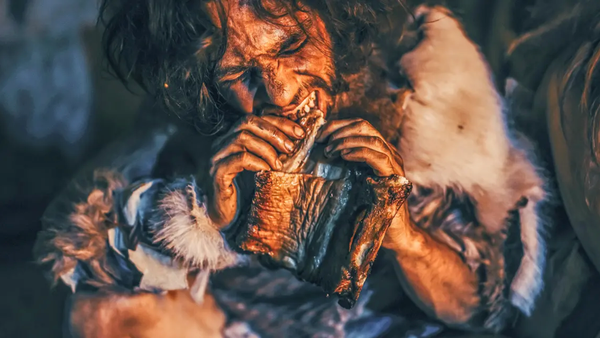
A Paleolithic lifestyle, involving giving up grains, dairy, and processed foods, still has its followers — though new archaeological discoveries make things awkward for them. By Łukasz Kwiatek It's 1987. The biologist Jared Diamond — already a respected scientist and science writer, but not yet the author of bestsellers like
Science
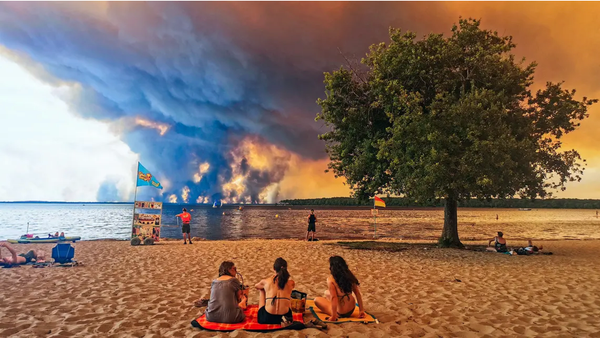
Peter Frankopan, historian: If we go back to the beginnings of recorded history, we'll notice that nearly all the world's great texts warn of some environmental catastrophe. By Jacek Stawiski and Peter Frankopan Jacek Stawiski: Your monumental book The Earth Transformed: An Untold History was published

Science
A vast hole yawns in our planet's geological record, spanning as much as a billion years. Perhaps this is because the entire Earth was once locked in ice — ice that put life to an extreme test and ground down thick layers of rock. By Łukasz Kwiatek The American
Science
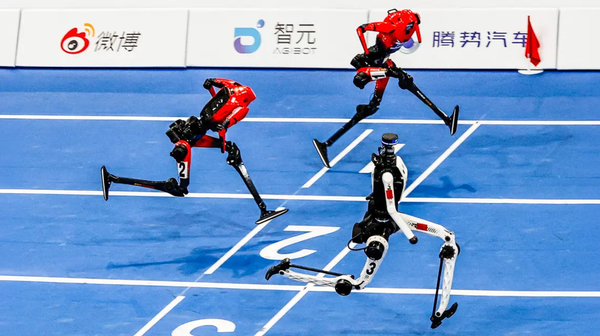
A humanoid can lose to a dirty sock. Whether robots built in our own image find a place in the world will depend on how well AI copes with the mess of real life. By Agata Kaźmierska and Wojciech Brzeziński This August in Beijing, the robot Tiangong Ultra ran 100
Science
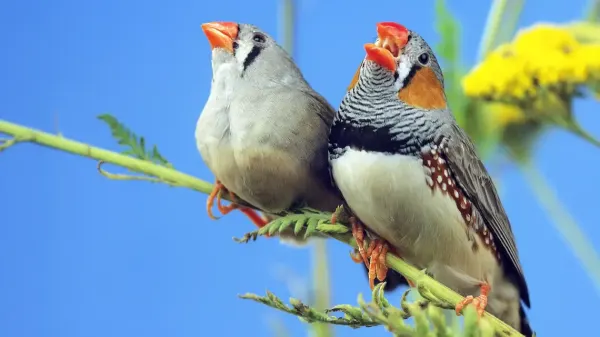
Artificial intelligence has firmly established itself in many fields of science. It may help us uncover the rules governing birdsong — and even its meanings. By Wojciech Mamak For a long time, studying bird communication meant a lot of squinting. The human ear is too slow to catch the split-second
Science
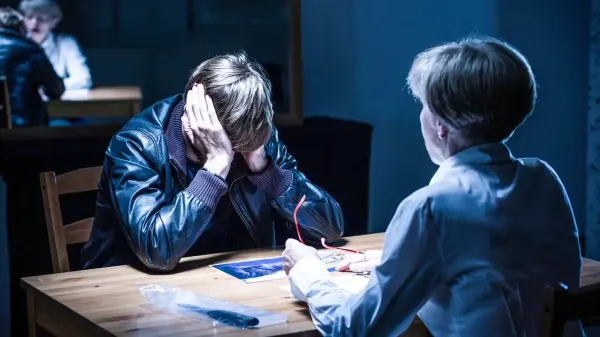
Aggressive interrogation techniques sometimes lead suspects to confess to crimes they didn't commit. And they begin to believe they deserve the punishment coming to them. By Kaja Głomb A few months ago, Paul Heaton, a respected criminologist from the University of Pennsylvania, announced that he had got ChatGPT
Science
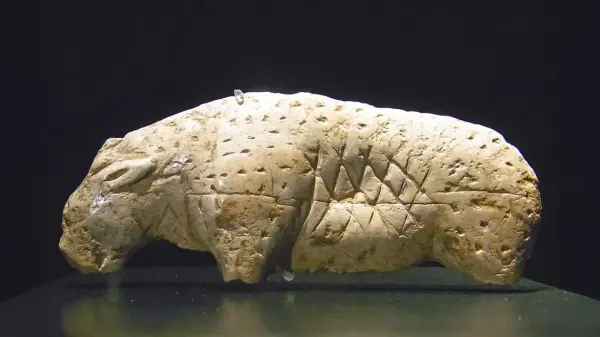
More than 50,000 years ago, anatomically modern humans began migrating into Europe and interbreeding with Neanderthals. The genes of some of them survive to this day. By Łukasz Kwiatek The name Paul Broca is most often encountered in neurobiology textbooks. This French physician made his name performing the autopsy
Science
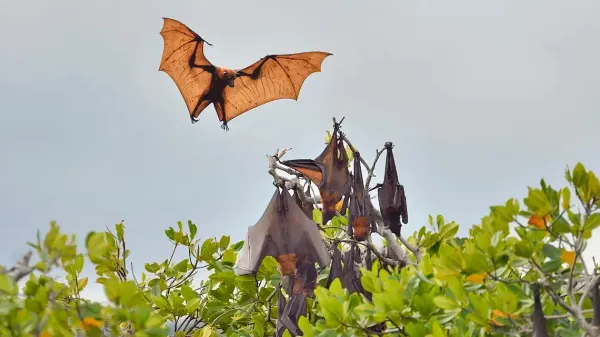
Eran Levin, zoologist: Mouse-tailed bats would make ideal pets. They are clean, smell wonderfully of fruit, don't take up any space because they hang from the ceiling, like people, and can be trained just like dogs. By Maria Hawranek and Eran Levin Maria Hawranek: I was surprised
Science
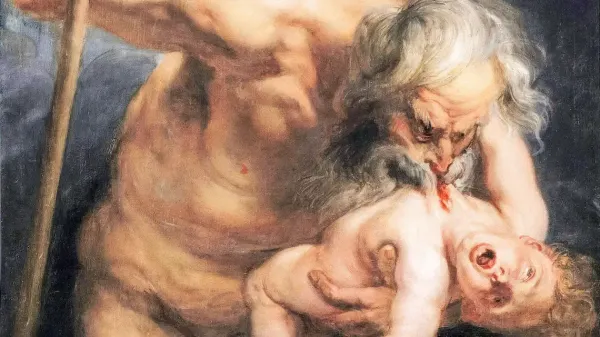
Why has a behaviour that is widespread in the natural world and has recurred many times throughout human history become subject to one of the strongest human taboos? By Kasper Kalinowski On 9 March 1945, at 9 am, the commander of a Japanese battalion, Major Matoba – who was later taken
Science
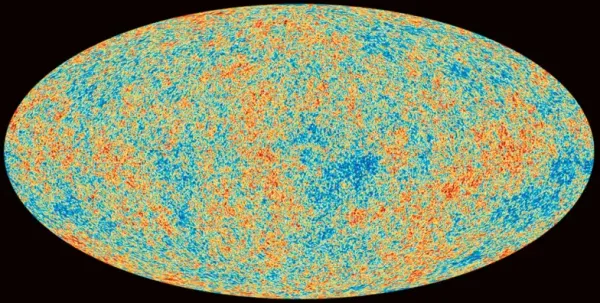
FR PROF. MICHAŁ HELLER, cosmologist: The mathematics underlying multiverse theory can enchant. But some people find these concepts infuriating. By Fr Michał Heller, Łukasz Kwiatek, Tomasz Miller ŁUKASZ KWIATEK, TOMASZ MILLER: How did it come about that science started talking about the "multiverse" — the existence of universes other
Science
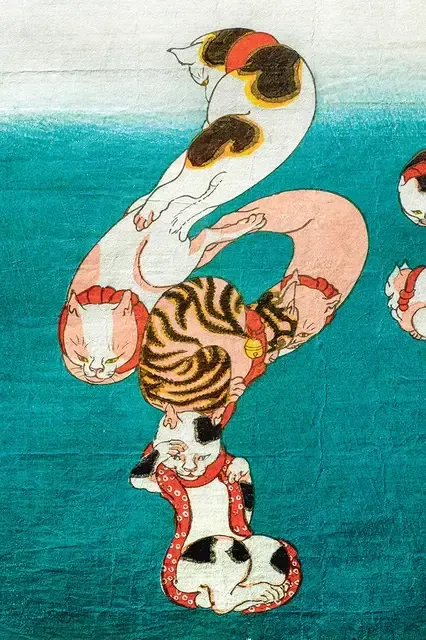
They don't catch thieves, don't detect drugs, and their positive impact on our health is questionable. So what exactly are cats for? By Zuza Lamża At the end of 2019, sad news spread across the media: after a long struggle with a bone disease, Lil Bub