Blank Spots in Earth's History: When the Planet Nearly Froze

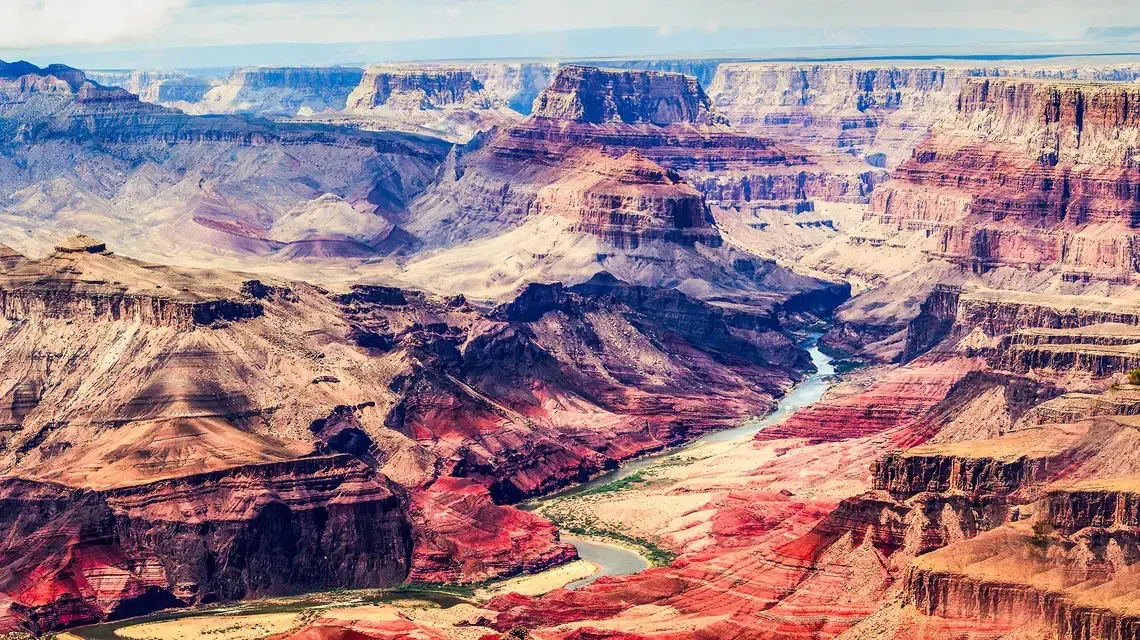
A vast hole yawns in our planet's geological record, spanning as much as a billion years. Perhaps this is because the entire Earth was once locked in ice — ice that put life to an extreme test and ground down thick layers of rock.
By Łukasz Kwiatek
The American researcher Lynn Margulis developed two seductive ideas — one earned her a place in biology textbooks, while the other captured the imagination of science-fiction writers.
The first was endosymbiosis — the theory that explains how simple single-celled organisms acquired specialized organelles, including mitochondria. But that's a story for another time; for now, here's the basic idea to set the scene: the single-celled ancestor of all animals, plants, fungi, and protists engulfed another, smaller organism, yet failed to digest it.
The would-be victim learned to function in its new environment and to cooperate with its host. According to Margulis's theory, now widely accepted, almost every one of our cells is home to swarms of descendants of that bacterium — happily left uneaten all those years ago — churning out energy for us.