Ancient Board Games and Modern Archaeology: What Emperors and Slaves Played

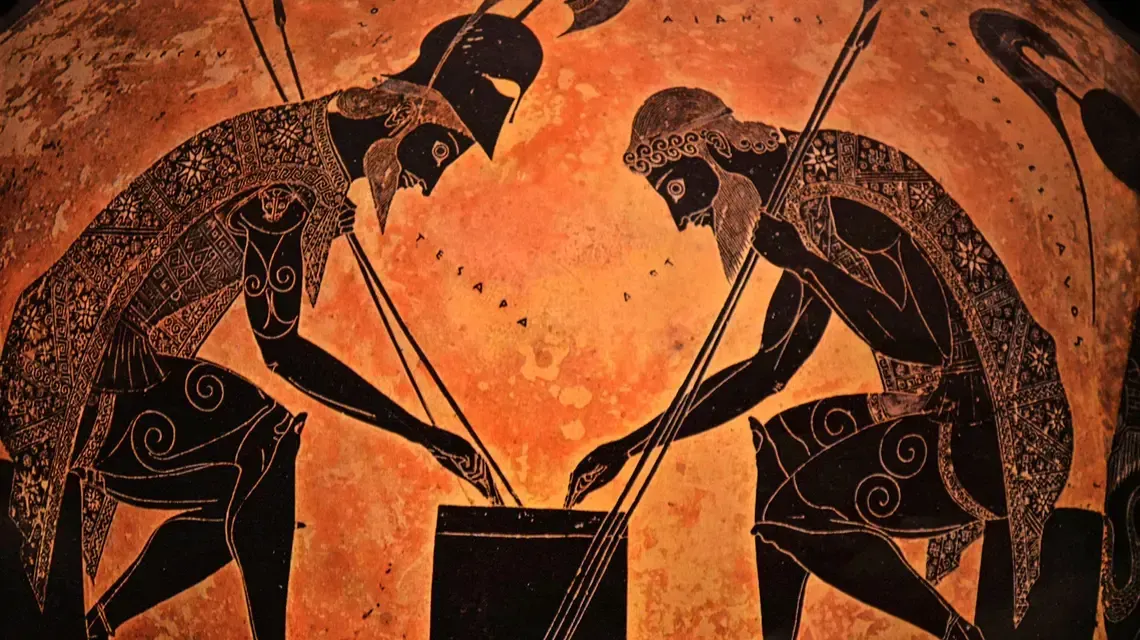
In antiquity, board games enjoyed enormous popularity across every culture and social class. To understand why, archaeology had to break free of a 19th-century vision of humanity — and turn to digital methods.
By Kamil Kopij
You buy a board game. You open the box, tip out dozens of tokens and pieces, unfold the monumental board... and suddenly realise there are no instructions inside. What's more, everyone who ever played this game has been dead for at least two thousand years. Nightmare, isn't it?
For decades, historians and archaeologists faced exactly this problem. Wandering ancient sites, they practically tripped over stone blocks full of regular hollows, lines and geometric grids — yet knew nothing about the rules of the games played on them. That is, if it even occurred to them to interpret these artefacts as game boards at all.
For a long time, in fact, scholars suffered from a peculiar blindness. It probably stemmed from the fact that modern archaeology was born in the 19th century, in the shadow of the Industrial Revolution. The researchers of that era were children of an age that placed particular weight on labour and utility. To them, ancient people had to be deadly serious: either raising monumental temples to the gods, waging bloody wars, or coldly calculating economic gain.