The Discreet Charm of the Apocalypse: Where Does Climate Activists' Radicalism Come From?

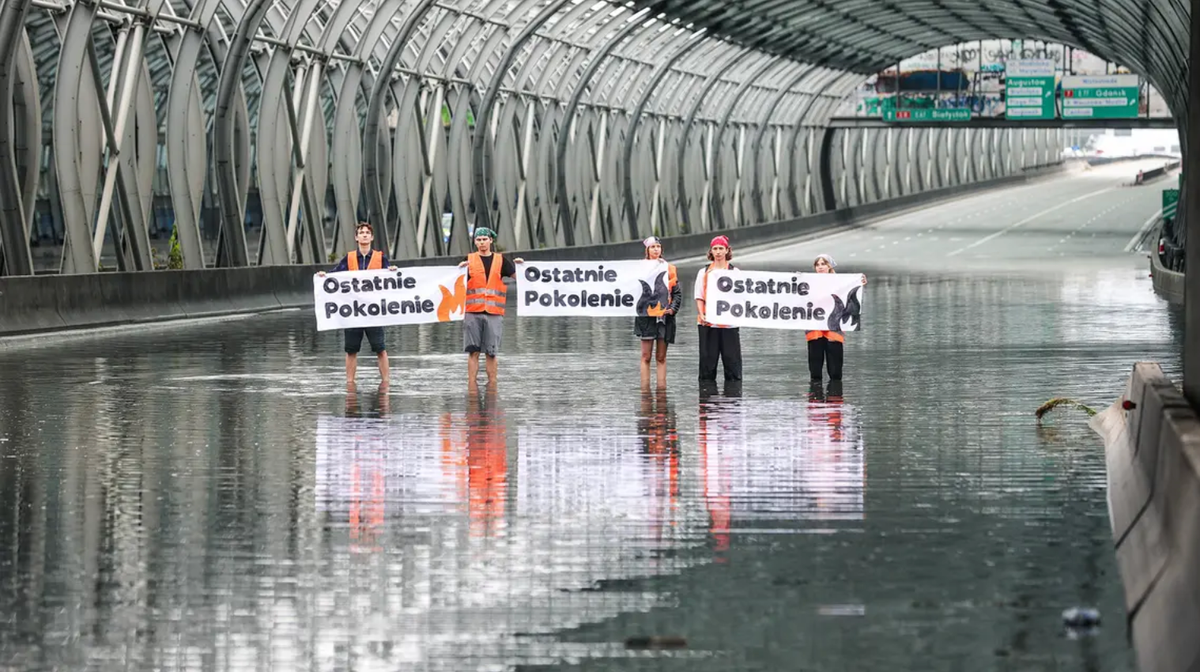
We are seeing a mechanism in which the label of eco-terrorism is being applied to acts of civil disobedience. This is language characteristic of moral panic.
By Dominika Soszyńska and Przemysław Pluciński
Dominika Soszyńska: One of the most visible spaces of young people's engagement today is climate and environmental activism. On the one hand, we don't want "lazy, entitled youth," and we expect young people to rebel and engage with important social issues. But on the other hand, is that always a good idea?
Dr. Przemysław Pluciński: Your question carries a romantic expectation, deeply rooted in our culture, that the young should tear apart the world they inherit.
That puts an enormous burden and responsibility on young, engaged people, particularly in terms of intergenerational relations. That's why I wouldn't treat contemporary activism solely as a rebellion against the older generation. It isn't opposition aimed at simply rejecting the existing order.
Is it more an attempt to demand intergenerational justice?
Yes. Young people today inherit problems they didn't create, but they will live with the consequences of decisions made, and still being made, by people one or two generations older. So they're fighting to make sure their interests are taken into account in all this.