Super El Niño: What Will Its Consequences Be?

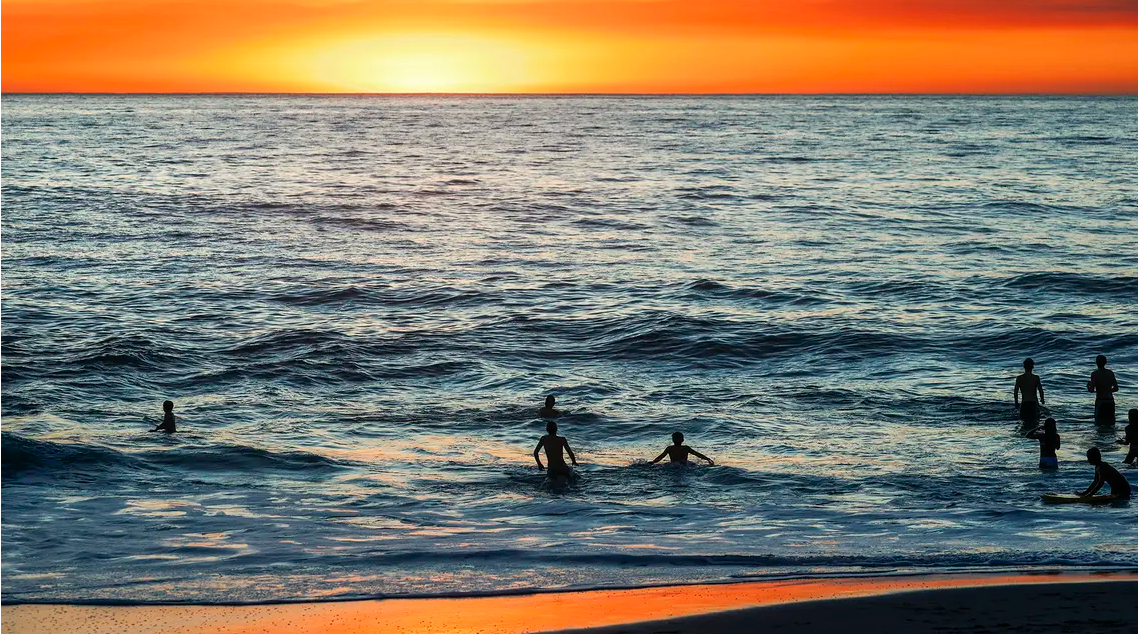
El Niño, a cluster of weather phenomena tied to the warming of Pacific waters, has begun. It will be exceptionally strong, and its consequences will be felt around the world.
By Aleksander Gurgul
It is hard today to establish with complete certainty who coined the term "Godzilla El Niño," but several clues point to Bill Patzert, a climatologist at NASA's Jet Propulsion Laboratory in California.
Using the metaphor of a dinosaur-like monster emerging from the ocean (known in Japan, where the character originated, as a daikaijū), Patzert wanted to draw public attention to a cluster of weather phenomena that regularly affect our planet.
Scientists normally describe El Niño as a "fluctuation," because it typically occurs every 2–7 years and lasts about 9–12 months. So what exactly is it?